
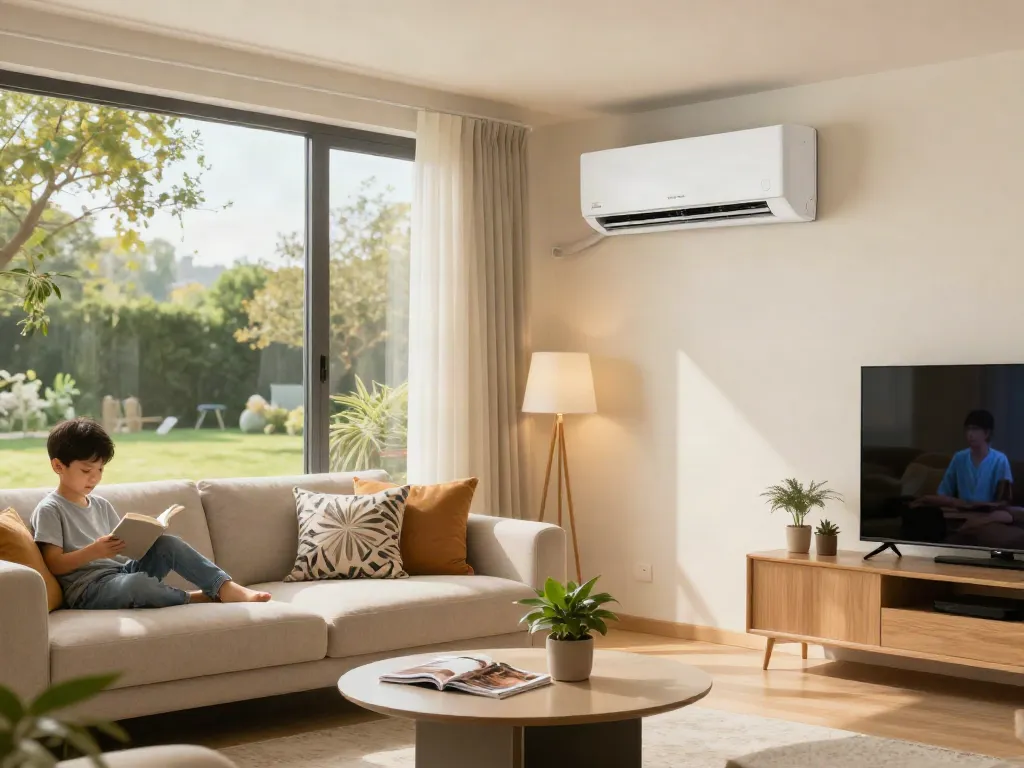
Understanding the Benefits of 18K Mini Split Systems
As the demand for efficient climate control systems increases, the 18k mini split system has emerged as a leading solution for cooling and heating residential and commercial spaces. These systems, known for their versatility and energy efficiency, offer an ideal solution for many homeowners and business operators looking to maintain comfortable indoor environments. In this comprehensive guide, we will explore what an 18k mini split system is, its advantages, and how it can be the perfect addition to your home.
What is an 18K Mini Split System?
An 18K mini split system, also referred to as an 18,000 BTU ductless mini split system, comprises two main components: an indoor air-handling unit and an outdoor compressor unit. The system operates without ductwork, allowing for a more straightforward installation process and reducing energy loss associated with traditional HVAC systems. These units are ideal for cooling or heating spaces ranging from 550 to 1,000 square feet, making them suitable for various applications, from single rooms to larger open areas.
Key Advantages of Mini Split Systems
- Energy Efficiency: One of the most significant benefits of mini split systems is their energy efficiency. With SEER ratings (Seasonal Energy Efficiency Ratio) often exceeding 20, mini splits can significantly reduce energy consumption compared to conventional systems.
- Flexible Installation: Mini splits can be installed in various configurations, including wall-mounted, ceiling-mounted, and floor-mounted options, making them adaptable to different room layouts.
- Zone Control: Mini splits allow for individual temperature control in different areas or zones of your home, which increases comfort and energy savings.
- Quiet Operation: These units typically operate at lower noise levels compared to traditional systems, enhancing indoor comfort.
Energy Efficiency and Cost Savings
The energy efficiency of 18k mini split systems not only translates into reduced utility bills but also less environmental impact. Their inverter technology adjusts the compressor speed to maintain desired temperatures without excessive energy consumption. This capability allows homeowners to save on energy costs, making mini splits a wise financial investment in the long run.
Choosing the Right 18K Mini Split for Your Home
Factors to Consider: Size and Capacity
When selecting the right 18k mini split system, it is crucial to consider the size and capacity of the space you intend to cool or heat. Room size plays a significant role in determining the necessary BTU rating. A system that is too small will struggle to regulate temperatures, while one that is too large may cycle on and off frequently, leading to increased wear and energy waste. It's essential to have a proper assessment conducted based on your home's layout, insulation quality, and window orientations.
Top Brands and Models Available in 2026
In 2026, the market offers a range of reputable brands providing 18k mini split systems. Some leading names include:
- Mitsubishi: Known for its reliability and advanced technology, Mitsubishi offers a variety of models with outstanding efficiency ratings.
- Pioneer: Pioneer mini splits are recognized for their affordability and reliable performance, making them a popular choice for budget-conscious consumers.
- MRCOOL: Featuring DIY installation kits, MRCOOL systems cater to those who prefer a hands-on approach to home improvements.
Installation Tips for Optimal Performance
Proper installation is vital for maximizing the efficiency and longevity of your 18k mini split system. Here are some key tips:
- Engage a licensed, experienced HVAC technician for installation to ensure compliance with local codes and proper setup.
- Position the outdoor unit in a location with good airflow and protection from extreme weather.
- Ensure the indoor unit is installed at a height that promotes optimal airflow throughout the room.
- Regularly check refrigerant levels and verify proper connections during installation.
Common Applications for 18K Mini Split Systems
Best Room Sizes for Effective Cooling
Understanding the most effective room sizes for an 18k mini split can help homeowners optimize their heating and cooling efforts. Rooms sized between 550 to 1,000 square feet are ideal for an 18k system. Common applications include:
- Living rooms in average-sized homes.
- Bedrooms and master suites with larger dimensions.
- Open-concept areas where multiple rooms connect.
- Garages or workshops that require climate control.
Integrating with Home Heating Systems
A mini split system can complement existing heating systems, offering additional flexibility. Homeowners in colder climates can use mini splits for supplementary heating during mild winter days, reducing reliance on primary heating sources and saving on energy costs.
Mini Splits in Home Renovations and Extensions
If you are undergoing a home renovation or extension, incorporating an 18k mini split system can be an excellent choice. They can easily be integrated into new spaces without extensive ductwork, providing efficient heating and cooling where needed. Their aesthetic flexibility allows homeowners to maintain design elements while enjoying improved comfort.
Maintaining Your 18K Mini Split System
Routine Maintenance Checklist
To ensure your 18k mini split system operates efficiently, regular maintenance is essential. Consider the following checklist:
- Clean or replace air filters every 1-3 months, depending on usage and local air quality.
- Inspect the outdoor unit for debris and ensure proper airflow around it.
- Schedule annual professional maintenance to check refrigerant levels and verify system performance.
Signs Your Mini Split Needs Repair
Being aware of potential issues with your mini split can prevent more significant problems down the line. Common signs that your system may need repairs include:
- Reduced airflow or uneven cooling/heating throughout your space.
- Strange noises, such as grinding or hissing sounds, from the system.
- Increased energy bills without a change in usage patterns.
- Frequent system cycling or failure to start.
Extending the Lifespan of Your Air Conditioner
With proper care, an 18k mini split can last over 15 years. To extend its lifespan, homeowners should prioritize regular maintenance, ensure proper installation, and address minor issues before they develop into costly repairs.
Future Trends in Mini Split Technology
Innovations to Look for in 2026
The mini split market is continuously evolving, with new technologies enhancing performance and user experience. In 2026, we expect to see greater advancements in:
- Inverter technology: Continued enhancements in inverter technology will improve energy efficiency and quiet operation.
- Smart home integration: Mini splits are increasingly compatible with home automation systems, allowing users to control their systems remotely.
- Eco-friendly refrigerants: Manufacturers are focusing on environmentally friendly refrigerants to minimize ecological impact.
Smart Home Integration with Mini Splits
Incorporating smart technology within an 18k mini split system enhances the user experience, enabling seamless integration with apps and voice commands. Homeowners can monitor and adjust their cooling and heating preferences from anywhere, optimizing energy savings.
Environmental Considerations and Energy Standards
As energy conservation becomes a priority, manufacturers are producing mini splits that comply with rigorous environmental standards. Consumers seeking to invest in eco-friendly systems should look for units labeled with Energy Star certifications and those utilizing low-GWP (Global Warming Potential) refrigerants.
What are the Common Issues with 18K Mini Split Systems?
Common issues that may arise with 18k mini split systems include refrigerant leaks, clogged filters, and electrical problems. Regular inspections and maintenance can help mitigate these concerns, ensuring efficient operation.
How Do I Calculate the Right Size for My Mini Split?
To calculate the ideal size for your mini split, consider the square footage of each room, the number of windows, and the level of insulation. BTU requirements can vary based on these factors, and consulting with an HVAC professional will provide the most accurate assessment.
What Maintenance is Required for 18K Mini Split Units?
Maintenance for 18k mini split units typically includes regular filter cleaning, annual professional servicing, and inspection of outdoor units to clear any debris. Keeping up with these tasks will ensure optimal performance.
Can I Install a Mini Split Myself?
While some homeowners may attempt DIY installation of mini split systems, it is recommended to hire a qualified HVAC professional. Proper installation is essential for performance and efficiency, and licensing is often required by local laws.
What are the Energy Efficiency Ratings for Mini Splits?
Energy efficiency ratings for mini split systems are represented as SEER ratings. A higher SEER indicates better energy efficiency. When selecting a system, aim for a SEER rating of 16 or above for optimal energy savings.