Understanding Tape in Hair Extensions
Tape in hair extensions have gained immense popularity among those looking to enhance their hairstyles quickly and effortlessly. These semi-permanent extensions are adhered to your natural hair using a special adhesive tape, providing a seamless and voluminous look. With advancements in hair extension technology, today's offerings are more versatile, natural-looking, and user-friendly than ever before. To explore a variety of options, tape in hair extensions can be an excellent choice for individuals looking to transform their appearance.
What Are Tape in Hair Extensions?
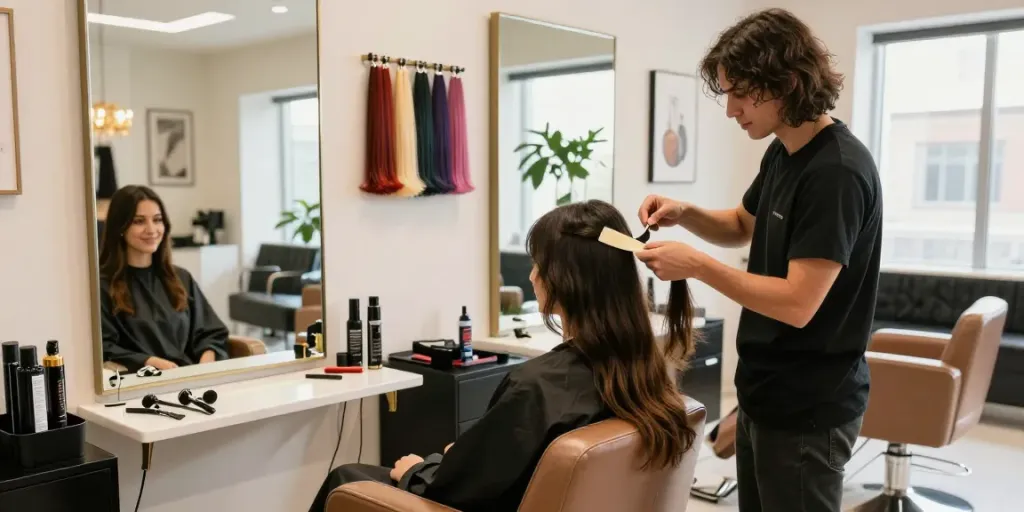
Tape in hair extensions consist of thin wefts of hair that are equipped with a double-sided adhesive tape. The installation process typically involves sandwiching a section of your natural hair between two tape wefts. This method results in a flat profile that lies seamlessly against the scalp, making it a popular choice for individuals seeking a discreet augmentation.
These extensions can be made from human hair, often referred to as Remy hair, which retains the natural cuticle and allows for a more realistic appearance and texture. They come in various lengths and colors, ensuring an option for every hair type and personal style.
Benefits of Using Tape in Hair Extensions
- Quick Installation: Suitable for anyone short on time, tape in extensions can be applied in as little as 30 minutes by a professional.
- Natural Look: When made from high-quality human hair, these extensions blend seamlessly with your natural hair.
- Reusable: With proper care, tape in extensions can be reused multiple times, making them a cost-effective option.
- No Damage: The application process is gentler on the hair compared to other methods like clip-ins or fusion extensions.
- Versatility: Tape in extensions can be styled, colored, and treated just like your natural hair, offering endless styling possibilities.
Different Types of Tape in Hair Extensions
Tape in extensions come in various forms to cater to different hair textures and styles. Here’s a breakdown:
- Remy Human Hair: The preferred choice among users, this type retains the natural cuticle, ensuring it remains tangle-free and preserves its shine.
- Synthetic Hair: Generally more affordable, synthetic extensions mimic the look of human hair but may not hold up well under styling tools.
- Colored Tape Ins: Available in numerous shades, from natural hues to vibrant colors, allowing users to experiment without permanent dye.
- Customizable Options: Many brands offer extensions that can be cut to fit, ensuring a perfect blend with your existing hair.
Common Mistakes with Tape in Hair Extensions
Improper Application Techniques
One of the most significant pitfalls in using tape in extensions is improper application. Hiring an experienced stylist is crucial to ensuring the wefts are applied securely and aligned correctly with your natural hair. Incorrect placement can lead to discomfort and damage to your natural hair.
Choosing the Wrong Hair Type or Color
Matching the extensions to your natural hair is vital for achieving a cohesive look. Selecting the wrong shade or texture can result in an unnatural appearance. Always consult with professionals or use color-matching guides offered by brands to avoid mismatches.
Neglecting Maintenance and Care
Like natural hair, tape in extensions require proper maintenance. Neglecting to use the right products or not adhering to a maintenance schedule can lead to tangling and premature wear. Regularly scheduled reapplication every 6-8 weeks is essential to keep them looking fresh.
Best Practices for Tape in Hair Extensions
Preparation Steps Before Installation
Before installing tape in hair extensions, it’s essential to prepare both your hair and the extensions:
- Wash Your Hair: Use a sulfate-free shampoo to remove any product buildup that may inhibit the adhesive.
- Drying: Ensure your hair is completely dry and free from oils.
- Consultation: Discuss your goals with a professional stylist to determine the best color and length for your needs.
Professional vs. DIY Application
While some may opt for a DIY approach to save money, applying tape in extensions at home can increase the risk of errors. A professional stylist not only ensures correct placement but also provides valuable insights into maintenance and care.
Essential Aftercare for Longevity
To extend the life of your tape in extensions, incorporate the following care tips:
- Use the Right Products: opt for sulfate-free shampoos and conditioners to maintain the integrity of the adhesive.
- Avoid Heat: Limit exposure to high heat styling tools, or use heat protectant products when necessary.
- Brush Gently: Use a wide-toothed comb or a special extension brush to detangle without pulling on the attachments.
Real-Life Experiences with Tape in Hair Extensions
Case Studies of Successful Transformations
Many users report transforming their looks and lifestyles with tape in extensions. For instance, Jessica, a busy professional, found that her tape-ins provided the volume and length she desired without the commitment associated with more permanent options. She can easily remove them every few months and switch up her look based on her mood.
Common Challenges and How to Overcome Them
While tape in extensions offer numerous benefits, users may encounter challenges, such as discomfort if improperly installed or the risk of slippage if not maintained. The key to overcoming these challenges lies in proper application, regular maintenance, and seeking professional help whenever necessary.
Testimonials from Users
"I've been using tape in extensions for over a year, and I love them! They blend perfectly with my hair, and I can style them any way I like without any issues," shares Maria, a long-time user.
Future Trends in Tape in Hair Extensions
Innovations in Hair Extension Technology
The hair extension industry is witnessing a surge in innovative technologies. From invisible tape-in options that offer a more discreet application to new adhesive technologies that minimize damage to natural hair, the future looks promising for tape in extensions.
Eco-Friendly Tape in Hair Options
With an increasing focus on sustainability, many brands are now offering eco-friendly tape in hair options. These products utilize ethically sourced hair and environmentally friendly adhesives, appealing to the eco-conscious consumer.
What's Next for Hair Extension Styles in 2026
As fashion trends continue to evolve, it’s expected that tape in extensions will reflect these changes. We can anticipate more customizable options that allow users to create unique looks, such as integrating multiple colors or textures within a single application.
How long do tape-ins hair extensions last?
When properly cared for, tape in extensions can last anywhere from 6 to 12 weeks before needing reapplication. The longevity largely depends on the quality of the extensions and personal hair care routines.
What are the downsides of tape-in hair extensions?
Some downsides include potential damage to natural hair if not applied correctly, the possibility of slippage if proper maintenance is neglected, and the need for professional installation, which can incur additional costs.
What is the best brand of tape-in hair extensions?
While preferences vary, brands like Babe Hair Extensions, Donna Bella, and Bellami are often cited as top contenders due to their high-quality materials and excellent customer service.
What is the average cost of tape-in hair extensions?
The average cost can vary greatly, typically ranging from $150 to $500 depending on the brand, quality of hair, and length. Professional installation may also add to this cost.
Can tape in hair extensions be reused?
Yes, one of the best features of tape in extensions is their reusability. With proper care, they can be reapplied for multiple wear cycles, making them an economical choice in the long run.