Understanding Herbal Incense Sales Trends in 2026
As we approach 2026, the herbal incense market is poised for transformative changes, driven by shifting consumer preferences and technological advancements. This fascinating sector is no longer simply about producing aromatic sticks; it encompasses an array of products catering to diverse consumer needs. With the rise of online shopping, brands are embracing new strategies to capture market share while navigating challenges such as regulations and competition. If you're keen to explore the dynamics of herbal incense sales, this article will provide insights into current trends and future projections.
Current Market Dynamics for Herbal Incense
The herbal incense industry has seen a steady upsurge in demand, attributed to various factors including heightened awareness around wellness and relaxation practices. According to recent studies, the global herbal incense market is anticipated to grow significantly, with an expected CAGR of around 7.5% over the next five years. This growth is largely fueled by the increasing inclination towards natural and organic products.
- Health Consciousness: Consumers are increasingly aware of the harmful effects of synthetic products, pushing them towards herbal options.
- Millennial Influence: Young adults are less likely to purchase products that are not aligned with their values of sustainability and health.
- Advent of Online Platforms: E-commerce has removed geographical barriers, allowing smaller brands to gain visibility alongside established players.
Emerging Consumer Preferences and Behaviors
Today's consumers are not only seeking products that smell good; they want experiences. This shift has led to a rise in demand for unique blends and artisanal products. Herbal incense is now seen as a means of enhancing meditation and yoga practices, contributing to mental well-being and stress relief. Brands that can provide personalized experiences through sampling or customization are more likely to thrive in this evolving landscape.
Impact of Online Shopping on Sales Growth
The transition to online shopping has revolutionized the way consumers purchase herbal incense. E-commerce platforms allow consumers to browse a wide selection of products without the limitations of physical stores. This accessibility has empowered consumers to compare prices and read reviews, which enables informed purchasing decisions. Brands that leverage SEO and targeted marketing strategies are likely to capture this audience effectively.
Challenges Facing Herbal Incense Sellers
Compliance with Regulations and Safety Standards
Navigating the regulatory landscape is one of the most significant challenges facing herbal incense sellers. Different states have varying regulations concerning the sale and distribution of herbal products, which can confuse consumers and retailers alike. Compliance with safety standards is essential, not only for legal reasons but also to ensure customer safety and satisfaction.
Competition from Conventional Incense Products
Herbal incense products face stiff competition from traditional incense, which often is provided at lower price points. While herbal options have a unique appeal, they must be marketed effectively to demonstrate their value to consumers. This includes emphasizing potential health benefits, ethical sourcing, and the use of high-quality ingredients.
Navigating Supply Chain Disruptions
The COVID-19 pandemic has highlighted vulnerabilities within supply chains globally. For herbal incense sellers, sourcing ingredients and maintaining production capacity can be challenging. Establishing robust relationships with suppliers and diversifying sourcing strategies are essential for mitigating these risks in the future.
Best Practices for Increasing Herbal Incense Sales
Leveraging Social Media for Brand Awareness
Social media platforms offer an excellent avenue for brands to enhance visibility and engage with consumers. Brands that share educational content, promotions, and user-generated content tend to create a loyal customer base. Utilizing platforms like Instagram and TikTok allows for creative marketing strategies that resonate with younger audiences.
Creating Engaging Product Descriptions and Content
Well-crafted product descriptions that highlight the unique qualities of each herbal incense product can significantly impact sales. Content marketing strategies should focus on storytelling, emphasizing the origins and benefits of the herbs used. This approach helps to create an emotional connection with consumers.
Offering Samples and Demonstrations to Customers
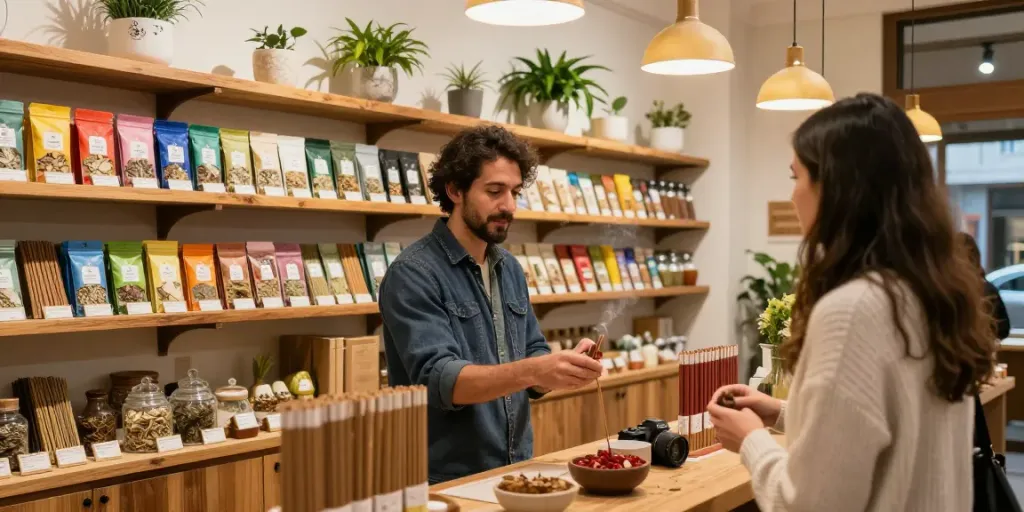
Providing samples or free demonstrations can effectively convert potential customers into loyal ones. When consumers can experience a product firsthand, they are more likely to make a purchase. Brands could consider subscription boxes that offer curated selections of herbal incense to entice new customers.
Innovative Marketing Strategies in the Herbal Incense Industry
Utilizing Influencer Marketing for Wider Reach
Influencer marketing has become a popular strategy for brands looking to expand their reach. Collaborating with wellness influencers who align with the brand ethos can help to tap into their follower base, driving sales through perceived authenticity and trust.
Collaborating with Local Artisans for Unique Products
Partnering with local artisans not only supports the community but also differentiates products in a saturated market. This strategy can lead to the creation of unique blends and limited-edition offerings that attract discerning buyers.
Exploring Subscription Models for Ongoing Revenue
Subscription services are increasingly popular, providing a steady revenue stream for businesses. By offering curated monthly boxes of herbal incense, brands can ensure consumer engagement and satisfaction while also simplifying the purchasing process for customers.
Future of Herbal Incense Sales and Predictions Beyond 2026
Technological Advances and Their Impact on Sales
Emerging technologies such as AI and augmented reality are set to revolutionize the herbal incense market. Brands can utilize AI to analyze consumer behaviors and tailor offerings accordingly. Augmented reality can enhance the shopping experience by allowing customers to visualize products in their spaces.
Consumer Education and Awareness Efforts
As the market matures, educational efforts surrounding herbal incense will become increasingly important. Brands that provide information on sourcing, production practices, and health benefits will foster trust, encouraging consumers to make informed choices.
Potential Shifts in Market Demand and Preferences
The herbal incense market will continue to evolve as consumer preferences shift toward personalization and experiential purchases. Brands that innovate and adapt to these changes will find themselves well-positioned for success in the coming years.
What are the health benefits of herbal incense?
While scientific research is still developing, many users report benefits like reduced anxiety, improved concentration, and enhanced mood when using herbal incense. Ingredients such as lavender and chamomile are often praised for their calming effects, making these arrangements popular for relaxation and meditation.
Where can I buy herbal incense safely?
When purchasing herbal incense, it’s essential to buy from reputable suppliers. Look for brands that provide detailed information about their sourcing practices and product testing to ensure quality and safety.
How do I choose the right herbal incense for my needs?
Selecting the right herbal incense involves considering your desired effects, fragrance preferences, and any potential allergies. Experimenting with different blends can help you discover which ones resonate best with your personal preferences.